SaleBuy
An AI-powered C2C classifieds marketplace where sellers upload a photo and Google Gemini writes the listing — reducing ad creation time from 4 minutes to 10 seconds.

Friction in listing creation causes user drop-off
In peer-to-peer classifieds, the single biggest obstacle to marketplace liquidity is the effort required to list an item. Typing titles, descriptions, selecting categories, and describing condition on a mobile keyboard takes 3–5 minutes per product.
SaleBuy wanted to revolutionize this experience by leveraging multimodality: allowing sellers to simply snap a picture of their product and letting an AI vision model generate structured listing data automatically in real time.
Goals
- Reduce ad creation time from 4 minutes to under 15 seconds
- Integrate vision AI to generate title, category, and condition
- Build full-featured marketplace with search and seller chat
- Achieve sub-1.0s page loads on mobile listing pages
- Deploy secure authentication and anti-spam protection
Constraints
- 14-day delivery sprint
- Must optimize API payload size for camera phone uploads
- Zero tolerance for hallucinated or broken JSON data
- API rate limits to manage LLM credit expenditure
AI performance & conversion metrics
AI computer vision pipeline
Client-Side Image Resampling
Large 5MB mobile photos are compressed via HTML5 Canvas in the browser before hitting the server, keeping upload payloads under 1MB and cutting latency in half.
Gemini 1.5 Flash Vision Engine
Serverless Next.js API routes call Gemini 1.5 Flash to analyze product features, condition, category, and generate compelling SEO-ready item descriptions.
Deterministic JSON Parsing
Resilient server-side parsing that sanitizes markdown fences and extracts valid JSON payloads, with fallback values to ensure zero broken forms.
Real-Time Buyer/Seller Chat
Integrated messaging allowing buyers to make offers and converse with sellers securely within the marketplace platform.
Platform interfaces
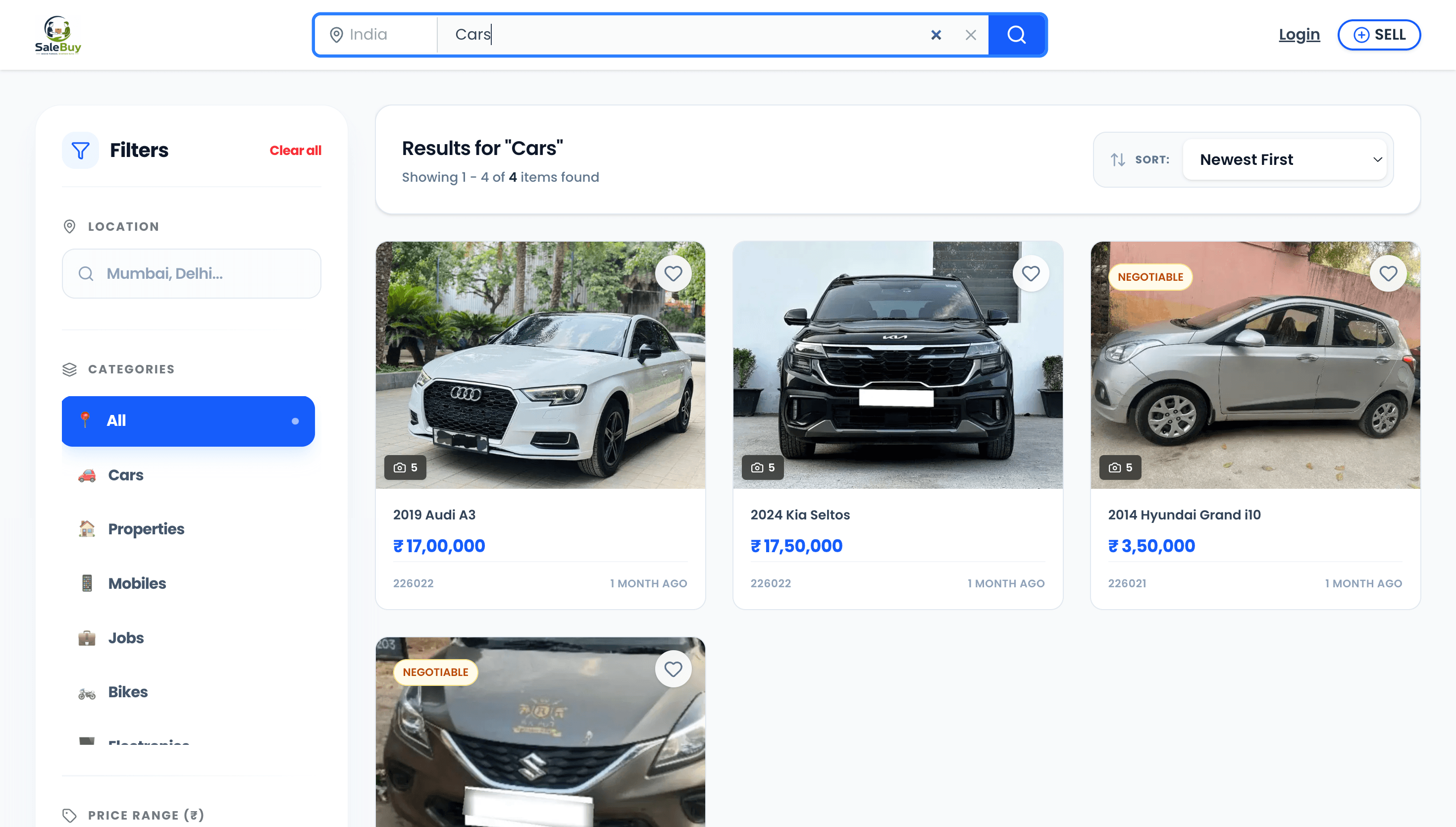
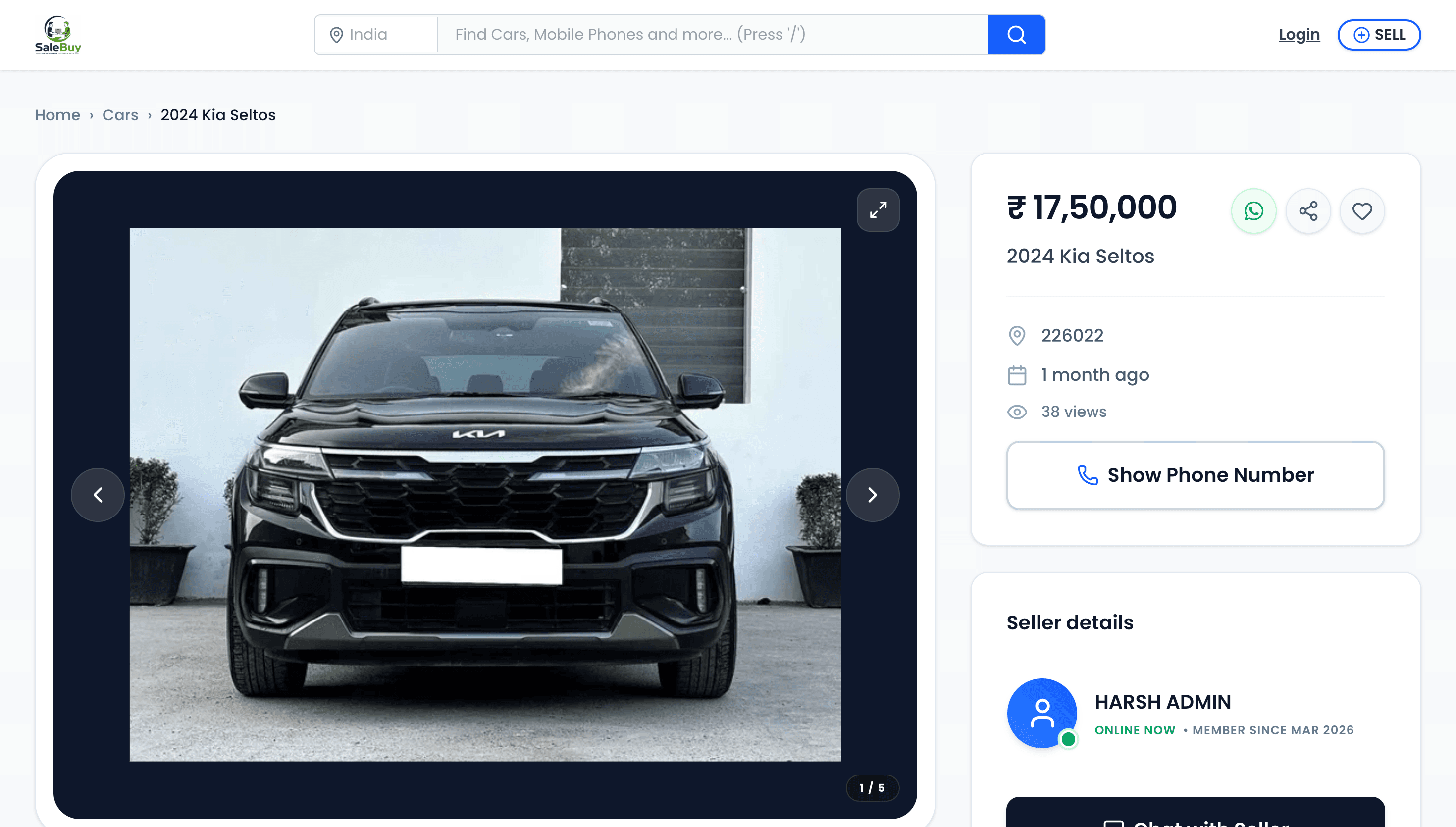

Why we chose each tool
Next.js 16
Server-side rendering for marketplace listing pages (critical for SEO). API routes handle Gemini integration and chat endpoints.
Google Gemini 1.5 Flash
The vision model analyzes product photos and returns structured JSON with title, description, category, and condition in under 2 seconds.
MongoDB + Mongoose
Document databases handle variable product attributes across 30+ categories without rigid schema constraints.
Next-Auth
Pre-built authentication with social login support, reducing friction compared to standard registration forms.
Canvas Image Compression
Client-side image resampling before sending to Gemini API, reducing payload sizes to under 1MB and cutting latency by 50%.
express-rate-limit + Helmet
Rate limiting prevents bot abuse on AI listing endpoints while Helmet security headers protect user-generated content.
14-day sprint schedule
AI Vision Prompting
Days 1–3
Engineered vision prompts on Gemini 1.5 Flash for high-accuracy product metadata extraction.
Marketplace Schemas
Days 4–7
Built MongoDB schemas for ads, categories, user profiles, and chat messages with Next-Auth.
UI & Listing Engine
Days 8–11
Constructed mobile-first Next.js UI, canvas image compression, and real-time chat interface.
Testing & Deploy
Days 12–14
Stress-tested rate limiting, verified fallback parsing on 100+ test items, and deployed.
"The AI vision listing is magic. Our users can list an item in ten seconds just by snapping a photo. GenForge turned what seemed like a futuristic concept into a production-ready application in two weeks.
Questions about this project
How does the AI auto-listing feature work?+
Why Gemini 1.5 Flash instead of GPT-4 Vision or Claude?+
How do you handle AI output inconsistencies?+
What security measures protect the marketplace from spam?+
Can you build a similar AI-integrated marketplace for us?+
Similar projects
Online Planet
Multi-vendor marketplace with vendor split payments and catalog sync.
Nature Medica
E-commerce store with multi-gateway payments and abandoned cart recovery.
Spark & Stitch
Curated baby fashion boutique with inventory sync and modern branding.
Need AI features integrated into your platform?
We build full-stack web applications and marketplaces with cutting-edge AI vision, search, and workflow automation.